


-
Guida al produttore di fragranze per la casa calmanti per ac...Un acquirente presso una catena europea di articoli per la casa invia un brief di una riga: abbiamo bisogno di prodotti calmanti per lo scaffale primaverile. Nessuna famiglia di profumi, nessun ...

-
Candele votive: dimensioni, tipi di cera, tempi di combustio...Una volta un gruppo alberghiero del Regno Unito rifiutò un contenitore pieno di candele votive perché le fiamme si spegnevano dopo due ore dall'inizio della combustione. Le candele corrispo...
-
Guida alla produzione di fragranze da viaggio: formati, spec...Immaginate un acquirente di una catena europea di vendita al dettaglio di viaggi che redige un brief per la prossima stagione: 25.000 unità di un prodotto profumato da 30 ml che deve sopravviver...

En
CERCA

Casa / Novità / Novità del settore / Guida ai diffusori per auto: tipi, durata, sicurezza e suggerimenti per l'approvvigionamento per gli acquirenti
Guida ai diffusori per auto: tipi, durata, sicurezza e suggerimenti per l'approvvigionamento per gli acquirenti
Un diffusore per auto è un dispositivo profumante compatto che rilascia la fragranza lentamente e costantemente all'interno dell'abitacolo di un veicolo, e la conclusione pratica per la maggior parte degli acquirenti è semplice: un'unità passiva ricaricabile - una bottiglia appesa con un tappo di legno o una clip di sfiato in stile fiala - offre il miglior equilibrio tra durata, sicurezza e costi, mentre un diffusore per auto USB si giustifica solo quando si desidera un'intensità regolabile su richiesta. Le carte di carta usa e getta e le lattine di gel sembrano economiche sullo scaffale, ma il loro costo per settimana profumata è solitamente il peggiore della categoria.
Una cabina è uno spazio particolarmente difficile per la fragranza. È piccolo, in genere da 2,5 a 3,5 metri cubi, può riscaldarsi fino a 50-70°C quando parcheggiato sotto il sole estivo e viene lavato con un flusso d'aria forzato ogni volta che guidi. Qualsiasi diffusore per auto deve dosare il suo profumo contro quel calore e quel flusso d'aria, motivo per cui la costruzione, la qualità dello stoppino e la formula dell'olio sono più importanti qui che in un soggiorno.
Questa guida spiega come funzionano i principali tipi di diffusori per auto, confronta i dati sulla durata di vita del mondo reale, illustra la selezione e la sicurezza, copre la manutenzione quotidiana e termina con una lista di controllo dell'approvvigionamento per acquirenti al dettaglio e proprietari di marchi che valutano un produttore.
Per la maggior parte dei conducenti, un diffusore passivo ricaricabile per auto batte i formati di deodoranti per auto usa e getta in termini di costo per settimana profumata e di sicurezza quotidiana.
Cos'è un diffusore per auto e come funziona?
Un diffusore per auto funziona tramite evaporazione controllata: l'olio profumato viene tenuto in un serbatoio, aspirato su uno stoppino o trattenuto su un tampone assorbente e rilasciato nell'aria molecola per molecola anziché spruzzato a raffica. Tre principi di funzionamento dominano il mercato. Le unità passive si basano esclusivamente sull'azione capillare e sul calore ambientale. Le unità assistite dal flusso d'aria - la maggior parte dei modelli di diffusori con clip di ventilazione - si trovano direttamente sopra una presa d'aria condizionata in modo che le strisce d'aria in movimento emanano profumo dal cuscinetto o dallo stoppino e lo lanciano attraverso l'abitacolo. Le unità alimentate utilizzano una piccola ventola da 5 V o una rete a ultrasuoni per spingere attivamente il profumo, che offre la massima potenza ma consuma l'olio più velocemente.
Qualunque sia il principio, l'hardware si riduce a quattro parti, riassunte di seguito.
| Componente | Materiale e dimensioni tipici | Cosa fa |
|---|---|---|
| Bottiglia del serbatoio | Vetro o plastica PET, 5-10 ml su pensili | Contiene e dosa l'olio profumato; il vetro resiste alle macchie e all'assorbimento degli odori |
| Tappo di stoppino o di legno | Canne in rattan, cuscinetti in fibra, ceramica porosa o legno di faggio | Solleva l'olio per azione capillare e lo espone all'aria per un'evaporazione costante |
| Hardware di montaggio | Clip di ventilazione, cordino elastico o base magnetica | Posiziona il diffusore nel flusso d'aria senza bloccare la visuale del conducente |
| Olio profumato | Olio profumato in una base veicolante a bassa volatilità | Porta il profumo; la base controlla la velocità di evaporazione, il lancio e la sicurezza |
Queste parti rispecchiano, in miniatura, ciò che fa funzionare un diffusore su scala ambientale e la stessa fisica - sollevamento capillare, evaporazione superficiale, gestione del flusso d'aria - si applica a entrambi. Se desideri un'immagine a grandezza naturale, la nostra guida ai componenti principali di un diffusore a lamella spiega come il serbatoio, le lamelle e la base dell'olio cooperano per spostare il profumo attraverso uno spazio molto più ampio.
Un altro meccanismo spiega la maggior parte dei reclami degli utenti: l’adattamento olfattivo. Il naso umano smette di registrare un odore costante entro circa 15-30 minuti, quindi un diffusore per auto ben realizzato è progettato per posizionarsi appena sotto la soglia di rilevamento e rinfrescare delicatamente l'abitacolo ogni volta che si rientra. Un'unità che emana un forte odore per un intero viaggio è in realtà sovradosata e svuoterà l'olio settimane prima di quanto promesso.
Il flusso d'aria e il calore dell'abitacolo determinano l'intensità dell'odore del diffusore dell'auto; lo stoppino e la formula dell'olio ne stabiliscono la durata.
Principali tipi di diffusori per auto e loro caratteristiche principali
Sei formati coprono quasi tutto sugli scaffali dei negozi e nei cataloghi dei fornitori, e ciascuno abbina un metodo di diffusione diverso a uno stile di montaggio diverso. Le schede rapide seguenti riassumono il campo prima del confronto dettagliato.
Clip di ventilazione - feltrino
Un tampone assorbente in un alloggiamento a clip; la cabina AC fa la diffusione. Forte lancio iniziale, 2-4 settimane per assorbente.
Clip di sfiato - fiala
Una piccola fiala alimentata da stoppino con un quadrante regolabile. Più controllato che sentito, 4-6 settimane per riempimento.
Bottiglia appesa
Flacone in vetro da 5-10 ml con stoppino con tappo in legno fissato su cordoncino. Funziona a motore spento, 4-8 settimane.
USB elettrico
Ventola o piastra ad ultrasuoni su una porta da 5 V. Emissione più potente e completamente regolabile, 30-45 giorni per ricarica.
Contenitore solido o gel
Cera o gel profumato in barattolo ventilato. A prova di versamento e stabile al calore, 3-6 settimane.
Ceramica o pietra
La pietra porosa assorbe alcune gocce di olio. Molto discreto, 2-3 settimane per dose.
Tutti e sei si riducono a due famiglie. I formati passivi - bottiglie sospese, barattoli solidi, pietre di ceramica - evaporano da soli e ti ricompensano con la longevità. I formati potenziati e assistiti dal flusso d'aria barattano una certa efficienza con l'immediatezza e il controllo: il profumo arriva più forte e prima, ma il budget del petrolio brucia più velocemente.
| Formato | Metodo di diffusione | Durata della vita tipica | Forza del profumo | Osservazioni chiave |
|---|---|---|---|---|
| Clip di ventilazione, feltrino | Flusso d'aria CA su un cuscinetto saturo | 2-4 settimane | Forte all'inizio, svanisce velocemente | Gli elettrodi si saturano e si appiattiscono; mantenere l'olio lontano dal rivestimento |
| Clip di sfiato, fiala | Flusso d'aria CA su uno stoppino | 4-6 settimane | Regolabile tramite quadrante | Confermare un tappo a prova di perdite prima dell'estate |
| Bottiglia appesa | Stoppino passivo con tappo in legno | 4-8 settimane | Delicato e costante | Utilizzare un cavo corto; controllare la tenuta a caldo |
| USB elettrico | Nebulizzazione a ventola o ad ultrasuoni | 30-45 giorni per riempimento | Il più forte, controllabile | Ha bisogno di una porta attiva; la nebbia aggiunge una leggera umidità |
| Contenitore solido o gel | Rilascio superficiale lento | 3-6 settimane | Lieve e uniforme | Design a prova di schizzi; mantenere pulito il coperchio ventilato |
| Ceramica o pietra | Assorbimento della superficie porosa | 2-3 settimane | Sottile | Necessita di un nuovo dosaggio manuale ogni pochi giorni |
Se la tua priorità è un formato che non possa fuoriuscire sulla pelle o sul vinile (veicoli in leasing, interni premium, mercati a clima caldo), i formati solidi eliminano completamente il rischio. La nostra linea di fragranze solide è stata sviluppata esattamente per questo tipo di profumazione senza disordine e resistente al calore.
 Fragranza solida per auto per una profumazione senza perdite Un formato di fragranza solida pensato per i veicoli, realizzato da una fabbrica con certificazione BSCI e WCA. È adatto ai climi caldi e agli interni premium dove le fuoriuscite di liquidi potrebbero danneggiare la pelle o il vinile. Visualizza il prodotto →
 Abbina il formato alla cabina, non all'etichetta sullo scaffale: il flusso d'aria, il calore e la posizione di montaggio decidono le prestazioni prima del profumo.
Quanto dura un diffusore per auto? Durata della vita a confronto
La durata è il punto in cui i formati dei diffusori per auto si differenziano maggiormente ed è la cifra che gli acquirenti spesso sottovalutano quando confrontano i prezzi sugli scaffali. Una clip di ventilazione che costa quanto una bottiglia sospesa può esaurire la sua fragranza due o tre volte più velocemente, perché il flusso d'aria forzato rimuove l'olio dal tampone. Il grafico seguente riassume la vita utile tipica nella guida di tutti i giorni: un mix di ore di parcheggio, utilizzo dell'aria condizionata e sbalzi di temperatura stagionali. Le cifre presuppongono un riempimento standard, circa da 5 a 10 ml di olio per le unità passive e un tampone o una bottiglia di ricarica per le unità motorizzate. I risultati nel mondo reale varieranno in base al clima, all’esposizione al sole e all’intensità con cui si utilizza il sistema di ventilazione.
Vita utile tipica per riempimento o tampone (giorni)
Le bottiglie passive sono in cima alla classifica perché un orifizio stretto e un tappo di legno denso misurano l'evaporazione fino a un sussurro, quindi un riempimento di 5-10 ml può rimanere attivo per un mese e mezzo. Le unità alimentate barattano l'efficienza con il controllo: la loro gittata è la più potente della categoria, ma alimentano un diffusore USB per auto al massimo per tutta l'estate e una ricarica di 40 giorni diventa una di tre settimane. I fermagli per fiale occupano la via di mezzo: il quadrante ti consente di razionare l'olio, anche se l'aria condizionata fa comunque saltare il tuo budget ogni volta che funziona. I feltrini sono l'anello più debole: si saturano in pochi giorni, si lanciano con forza per circa una settimana, poi si appiattiscono e capovolgendo il tampone si acquistano giorni anziché settimane. I formati di carta e cartone sono meglio intesi come marketing olfattivo piuttosto che come dispositivi di profumazione; da dieci a quattordici giorni è un tetto realistico.
Il calore è la variabile nascosta dietro ognuno di questi numeri. Una cabina parcheggiata sotto il sole estivo può raggiungere i 60-70°C e il tasso di evaporazione raddoppia all'incirca ogni dieci gradi di aumento, motivo per cui un diffusore che dura due mesi invernali può sbiadire in tre settimane estive. Il freddo funziona al contrario: le note di fondo spesse si diffondono lentamente a basse temperature, quindi una miscela costruita su muschio o legni sembrerà attenuata a gennaio. La composizione conta tanto quanto l'hardware: gli agrumi e altre note di testa leggere si illuminano presto, mentre le basi legnose e ambrate si rilasciano lentamente fino all'ultimo millilitro.
La matematica commerciale segue direttamente. Una bottiglia sospesa che costa circa un dollaro a volume di scambio e dura sei settimane risulta molto più economica per settimana profumata rispetto a una carta di carta sostituita ogni dieci giorni, anche senza contare i rifiuti di imballaggio. Tappare o rimuovere l'unità durante i lunghi parcheggi estivi, acquistare hardware ricaricabile una volta e conservare l'olio profumato per auto sigillato e fresco aumenteranno ulteriormente i numeri. Per i rivenditori, la durata determina anche la cadenza degli acquisti ripetuti, motivo per cui gli SKU di ricarica meritano un posto nel programma fin dal primo giorno.
Giudica un diffusore per auto in base al costo per settimana profumata, non al prezzo unitario: le bottiglie passive ricaricabili di solito vincono questo calcolo.
Come scegliere il diffusore per auto giusto per la tua cabina
La selezione inizia dalla cabina, non dallo scaffale delle fragranze. Due domande decidono la maggior parte degli acquisti: quanto flusso d'aria e calore sopporta la tua auto e se desideri un profumo solo durante la guida o 24 ore su 24. Da lì, la rosa dei candidati si riduce a una manciata di criteri.
- Clima e abitudini di parcheggio: le regioni calde prediligono formati solidi e sospesi; il gel si ammorbidisce e i feltrini si stancano rapidamente con il calore.
- Preferenza per l'intensità del profumo: le clip potenziate dall'AC lanciano forte; i formati di diffusori passivi per auto sospesi rimangono più vicini allo sfondo.
- Montaggio e sicurezza: nulla dovrebbe ostacolare la visuale del conducente, la copertura dell'airbag o il funzionamento della ventola.
- Disponibilità di ricarica: i flaconi standard da 5-10 ml rimangono utilizzabili per anni; i pod proprietari bloccati no.
- Qualità dell'hardware: lo spessore del vetro, la resistenza del cavo, la tensione della clip e la coppia del cappuccio separano i buoni fornitori da quelli negligenti.
- Conformità dell'olio: le miscele conformi all'IFRA con un'etichettatura adeguata proteggono sia gli utenti che il tuo marchio.
Diffusore per auto con clip di sfiato
| Bottiglia appesa car diffuser
|
Alcune note di sicurezza si applicano a ogni formato. Non montare nulla in un punto in cui possa oscillare nel parabrezza o sedersi sopra la copertura di un airbag e non lasciare mai una bottiglia di vetro esposta al sole diretto del cruscotto per ore e ore. Pulisci immediatamente qualsiasi contatto di olio con le finiture, perché gli oli profumati possono incidere o appannare il vinile e la pelle se esposti ai raggi UV. Se gli animali domestici viaggiano con te, tratta gli oli concentrati con cautela - i gatti in particolare sono sensibili a molti composti di oli essenziali in una cabina chiusa - e ventila l'auto quando rientri per la prima volta dopo una giornata calda e sigillata di diffusione.
Scegli prima il flusso d'aria e il calore e poi la fragranza: il formato giusto del diffusore per auto è quello che sopravvive al tuo clima e ai tuoi spostamenti.
Manutenzione del diffusore per auto: riempilo, puliscilo e conservalo correttamente
I diffusori passivi per auto richiedono davvero poca manutenzione, ma alcune piccole abitudini possono raddoppiare la loro durata effettiva. Nessuno di loro dura più di due minuti.
- Saturare nuovamente lo stoppino settimanalmente. Capovolgi una bottiglia appesa a testa in giù per uno o due minuti in modo che il tappo di legno beva olio fresco, quindi riattaccala; il tiro ritorna entro un'ora.
- Sostituire i cuscinetti in fibra ad ogni ricarica. Un tampone saturo intrappola le vecchie note di testa e confonde il profumo successivo.
- Pulire immediatamente le fuoriuscite. Tamponare con un panno inumidito con alcool isopropilico; l'olio rimasto sul vinile o sulla pelle si macchierà o si annebbierà alla luce del sole.
- Pulisci prima di cambiare profumo. Sciacquare fiale e clip con alcool e lasciarle asciugare completamente; non versare mai l'olio nuovo nell'olio vecchio.
- Conservare le ricariche sigillate, al fresco e al buio. Una volta aperte, la maggior parte delle miscele di oli profumati per auto mantengono le note di testa per 6-12 mesi prima che l'ossidazione le appiattisca.
- Gestire la sosta estiva. Tappare o rimuovere la bottiglia durante le ondate di caldo e il parcheggio in pieno sole, quindi riattaccarla una volta che l'abitacolo si è raffreddato.
I segnali di pensionamento sono facili da leggere. L'olio che si è scurito notevolmente, un profumo che è diventato piatto o fortemente alcolico, o uno stoppino che è diventato friabile o intasato da residui secchi significano che l'unità deve essere riempita di nuovo o un nuovo stoppino. I formati in perline e gel evitano gran parte di questa cura: una scossa ridistribuisce il profumo e non c'è stoppino che si ostruisca.
Per gli autisti e i programmi di vendita al dettaglio che desiderano un comportamento a manutenzione zero, la profumazione basata su perline è la risposta più semplice nel nostro catalogo.
Deodorante per auto con perline aromatiche senza manutenzione Profumazione a base di perle che funziona senza liquidi o manutenzione, ideale per conducenti e programmi di vendita al dettaglio che cercano un funzionamento semplice. Offerto da un esperto produttore di fragranze per la casa che serve i mercati globali. Visualizza il prodotto → Due minuti di cura dello stoppino alla settimana possono raddoppiare la durata operativa di un diffusore per auto ricaricabile.
Approvvigionamento di diffusori per auto: una lista di controllo dell'acquirente per i marchi al dettaglio
Per i team di approvvigionamento e i proprietari di marchi, un diffusore per auto è uno SKU attraente: piccolo, leggero, a prezzi impulsivi e naturalmente acquistabile ripetutamente. È anche una categoria in cui i guasti economici sono costosi: una singola bottiglia che perde e macchia l'assetto di un cliente costa di più in termini di resi e recensioni rispetto al margine su dieci unità buone. L'elenco di controllo riportato di seguito riflette ciò che distingue un programma di marchio del distributore efficiente da uno problematico, sia che si acquisti come grossista, una catena di vendita al dettaglio o un proprietario di un marchio.
- Correggi prima le specifiche: volume dell'olio, materiale dello stoppino o del tampone, coppia del tappo, resistenza alla trazione del cavo e uno standard di altezza di caduta per i corpi in vetro.
- Conferma della conformità: fragranza conforme all'IFRA, etichettatura di pericolo CLP per il mercato UE e documentazione di trasporto per le ricariche di olio.
- Controlla la fabbrica: stato attuale BSCI e WCA, numero di linee di produzione e se la miscelazione dell'olio avviene internamente.
- Definisci i termini del marchio del distributore: tappi stampati, cartellini e scatole pronte per la vendita al dettaglio, con MOQ concordati per programma anziché per SKU.
- Campioni di prova su strada: due settimane in un'auto vera, inclusa una settimana parcheggiata sotto il sole estivo, battono qualsiasi scheda tecnica.
- Pianificare in anticipo la logistica: le unità sigillate finite di solito si spostano via mare senza problemi, ma gli oli di rifornimento sfusi richiedono la movimentazione di merci infiammabili.
Questo è lo standard a cui ci atteniamo in Ningbo Habest Home Co., Ltd. Dal 2012 gestiamo uno stabilimento di 6.500 metri quadrati con cinque linee di produzione, fornendo fragranze per la casa e prodotti profumanti a catene di vendita al dettaglio, proprietari di marchi e distributori in Giappone, Stati Uniti, Unione Europea e Regno Unito. Sono in atto controlli BSCI e WCA e lo sviluppo, il controllo delle materie prime, la produzione, l'ispezione, lo stoccaggio e la spedizione sono tutti riuniti sotto un unico motto: la fiducia deriva dalla qualità. Poiché un diffusore per auto condivide la sua fisica con il diffusore a lamella - sollevamento capillare, evaporazione controllata, gestione del flusso d'aria - un fornitore con una profonda esperienza nei diffusori a lamella trasferisce quella disciplina ai formati delle auto quasi automaticamente; puoi sfogliare la nostra gamma completa di diffusori a lamella per giudicare tu stesso gli stili, le capacità e le opzioni di decorazione delle bottiglie.
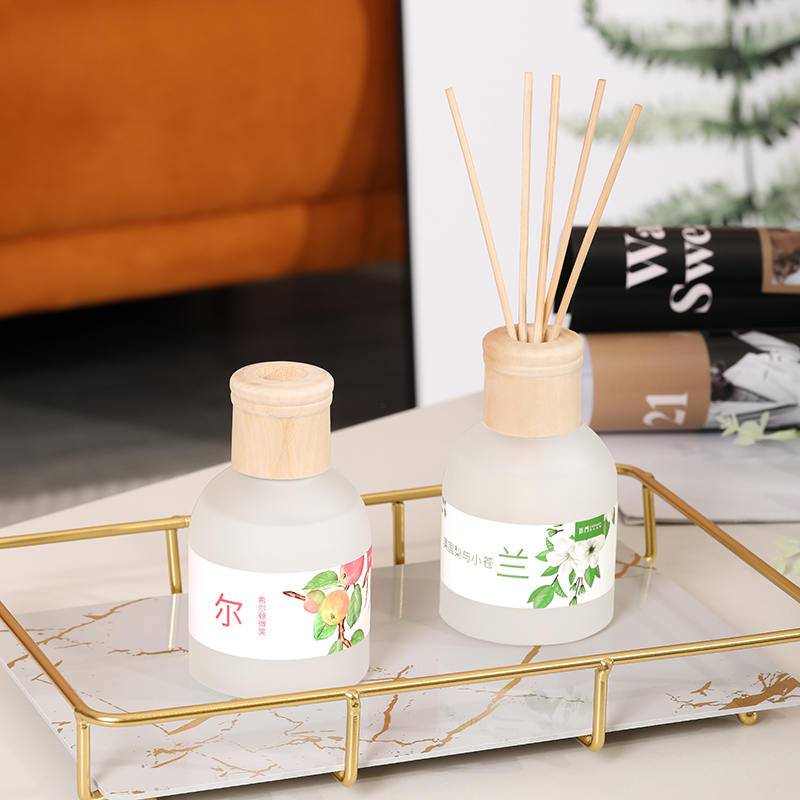 Diffusore a bastoncini senza fiamma con oli essenziali naturali Un diffusore a bastoncini senza fuoco che utilizza oli essenziali naturali per rilasciare una fragranza uniforme e duratura. Condividendo la fisica dell'evaporazione capillare con i diffusori per auto, riflette la profondità del fornitore in questa categoria di prodotti. Visualizza il prodotto →
 Prima di richiedere preventivi, è utile sapere in che modo gli acquirenti esperti valutano effettivamente le loro decisioni. Il prezzo è importante, ma raramente è il fattore decisivo in un programma di diffusori per auto a marchio privato. Il grafico a ciambella riportato di seguito riflette la suddivisione delle priorità che vediamo più spesso nelle richieste di offerta da parte di clienti al dettaglio e di marchi. È tratto da brief ricorrenti piuttosto che da un sondaggio formale, quindi trattalo come una linea guida pratica piuttosto che come una statistica. Usalo per verificare l'integrità della tua scorecard di approvvigionamento prima di selezionare un fornitore.
Come gli acquirenti valutano un programma di diffusori per auto a marchio privato
Priorità d'acquisto
Qualità del profumo e tiro: 30%
Sicurezza e conformità: 25%
Economia di ricarica: 20%
Design e confezione: 15%
Prezzo unitario: 10%
La qualità del profumo è in testa alla classifica perché è il motore dell'acquisto ripetuto: un olio debole, aggressivo o di breve durata uccide silenziosamente il rifornimento anche quando l'hardware è perfetto. La sicurezza e la conformità si collocano al secondo posto per ragioni strutturali. Una bottiglia che perde o una spedizione con etichetta errata non costa solo un ordine: può rimuovere lo SKU da un elenco di vendita al dettaglio nell'UE o attivare uno storno di addebito. Gli errori di etichettatura CLP e la mancanza di documenti di trasporto sono tra le cause più comuni di stallo delle spedizioni in porto. L’economia della ricarica arriva al terzo posto perché l’hardware ricaricabile crea un secondo SKU e un ritmo di ordini ricorrenti che i formati monouso non sviluppano mai. Il design e il packaging influenzano l'acquisto d'impulso alla cassa, dove una chiara denominazione del profumo e una finestra pulita svolgono un lavoro misurabile.
Il prezzo unitario è l'ultimo al 10%, il che sorprende i nuovi acquirenti. In pratica, una differenza da dieci a venti centesimi per unità scompare a fronte del costo di un difetto di qualità o di una stagione in ritardo. Ecco perché le domande migliori a un fornitore riguardano la scheda tecnica (volume dell'olio, sistema di trasporto, materiale dello stoppino, coppia del tappo) piuttosto che l'ultimo centesimo di FOB. Richiedi campioni stradali e convivi con loro per due o tre settimane. Confermare che i certificati di audit siano attuali anziché dichiarati. Negozia i MOQ per programma in modo da poter testare tre fragranze invece di scommettere su uno e inserire la cadenza di ricarica nel tuo piano di imballaggio con una data di produzione e una nota di durata aperta. I produttori che producono diffusori a lamella in grandi quantità di solito gestiscono bene i programmi di diffusori per auto, perché i punti di controllo della qualità sono condivisi.
Nei programmi di diffusori per auto all'ingrosso, la conformità e la qualità del profumo proteggono il margine molto meglio che spremere l'ultimo centesimo del prezzo unitario.
Domande frequenti sui diffusori per auto: risposte rapide prima dell'acquisto
Quanto dura effettivamente un diffusore per auto?Dipende dal formato più che dalla marca. Le clip di sfiato dei feltrini durano in genere 2-4 settimane per tampone, le clip per fiale 4-6 settimane, i contenitori di gel 3-6 settimane e le unità USB 30-45 giorni per ricarica. Le bottiglie sospese passive durano più a lungo - di solito 4-8 settimane per un riempimento di 5-10 ml - perché misurano l'evaporazione con un denso tappo di legno. Il caldo e l'uso intenso dell'aria condizionata riducono ogni cifra; tappare l'unità durante i lunghi parcheggi estivi la allunga. |
I diffusori per auto sono sicuri da usare tutti i giorni?Sì, a condizione che siano montati e riempiti in modo sensato. Tenere l'unità fuori dal campo visivo del conducente, lontano dalle coperture degli airbag e dai controlli di ventilazione e montare un cavo corto sulle bottiglie appese in modo che nulla possa cadere nel parabrezza. Utilizzare oli profumati conformi all'IFRA, pulire rapidamente eventuali fuoriuscite e ventilare la cabina dopo averla sigillata al caldo. Le famiglie con gatti o le donne incinte dovrebbero trattare gli oli essenziali concentrati con particolare cautela. |
Posso riempire un diffusore per auto con oli essenziali o profumo?Puoi, ma gli oli per diffusori specifici hanno prestazioni migliori. Gli oli essenziali densi possono intasare gli stoppini sottili nel tempo e le colonie ad alto contenuto alcolico svaniscono in pochi giorni e hanno un odore irregolare. Non riaprire o riempire mai un'unità di gel sigillata e, quando riutilizzi uno stoppino, rimani all'interno della stessa famiglia di profumi in modo che le vecchie note non entrino in conflitto con quelle nuove. |
Perché dopo alcuni giorni non riesco più a sentire l'odore del diffusore della mia auto?Di solito accadono due cose contemporaneamente. Il tuo naso si adatta a un profumo costante entro circa 15-30 minuti, quindi la diffusione potrebbe essere perfettamente normale mentre la tua percezione si è spenta. Allo stesso tempo, le note di testa leggere, in particolare gli agrumi, evaporano per prime, lasciando le note di fondo più tranquille. Capovolgi lo stoppino, accendi l'aria condizionata al massimo per alcuni minuti per far passare un profumo fresco, oppure scendi dall'auto per dieci minuti e giudica di nuovo al rientro. |
Qual è la differenza tra un diffusore per auto e un deodorante per auto?Un deodorante per ambienti è un prodotto one-shot: un cartoncino o un barattolo di gel che rilascia tutto quello che ha e poi viene buttato via. Un diffusore per auto misura l'olio profumato attraverso uno stoppino o un flusso d'aria, mantiene un getto costante per settimane ed è progettato per essere ricaricato. Questo è anche il motivo per cui i diffusori di solito vincono in termini di costo per settimana profumata e di qualità dei materiali presenti nella tua cabina. |
Cosa dovrebbero controllare gli acquirenti all'ingrosso prima di ordinare da un produttore di diffusori per auto?Inizia dai principi fondamentali: quantità minima richiesta e termini del marchio del distributore, attuali audit di fabbrica come BSCI e WCA e documenti di conformità del petrolio, tra cui la conformità IFRA e l'etichettatura CLP per l'UE. Quindi testa l'hardware - controlli di perdite e cadute sui corpi di vetro, coppia del cappuccio e resistenza del cavo - e prova su strada i campioni per almeno due settimane. Concludi concordando un piano SKU di ricarica e le specifiche di imballaggio in modo che il programma possa essere eseguito come una categoria di acquisto ripetuto anziché come un ordine una tantum. |
La maggior parte dei reclami sui diffusori per auto sono dovuti al posizionamento, al calore o alla ricarica errata, non al diffusore stesso.
Esplora di più da Habest Home
Il catalogo di Habest spazia dai formati di profumazione per auto alle linee complete di fragranze per la casa, tutte prodotte secondo lo stesso sistema di qualità. I link sottostanti portano alle principali collezioni.
- Tutti i prodotti di profumazione per la casa
- Candele profumate alla cera di soia biologica
- Arte della fragranza
- Rilasci di nuovi prodotti
Una piattaforma di fornitori copre diffusori a bastoncino, candele, fragranze solide e relativi formati di profumazione per programmi di vendita al dettaglio e a marchio del distributore.
Aggiorna notizie
SCOPRI DI PIÙ
 INTERAGIRE CON NOI
LINK VELOCI
PRODOTTI
CONTATTACI
- Phone:[email protected]
- Tel:1
- E-mail:[email protected]
- Address:+86-0574-88408268



